2026 World Cup tiebreakers and third-place rules explained
With the 2026 FIFA World Cup expanding to 48 teams, the path to the knockout stages has changed. Discover how goal difference and third-place rankings will determine who stays and who goes home.
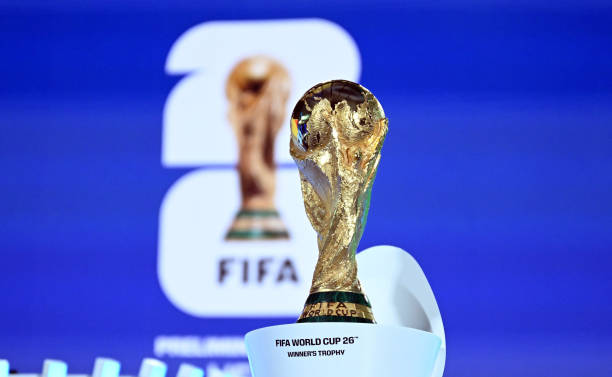
The 2026 FIFA World Cup marks a historic shift in the tournament's architecture, moving from the familiar 32-team format to a massive 48-nation spectacle. This expansion introduces 12 groups of four, necessitating a more complex set of rules to determine which teams progress to the newly established Round of 32. While the top two sides from each group earn automatic qualification, the fate of the remaining slots rests on a sophisticated tiebreaking system.
At the primary group level, if two or more nations finish level on points, the first separator remains the overall goal difference across all three matches. If parity persists, FIFA looks to the total number of goals scored. Should teams still be inseparable, the focus shifts to head-to-head records involving the tied parties, including points earned, goal difference, and goals scored specifically in matches between them.
In the event that on-field statistics cannot separate the sides, disciplinary records come into play through a fair play points system. Players and staff will need to be weary of cautions, as yellow and red cards carry negative weightings that could end a tournament prematurely. As a final resort, if teams are tied across every statistical and disciplinary metric, FIFA will conduct a random drawing of lots to decide who advances.
A significant feature of the 2026 edition is the lifeline extended to the best third-placed finishers. Eight of the 12 teams that sit third in their respective groups will find a path into the knockout phase. To determine which third-placed teams represent the elite tier, FIFA will create a secondary league table comparing their records. Points are the primary metric here, followed by goal difference and goals scored.
This format ensures that almost every final group-stage fixture carries immense stakes, as even a heavy defeat or a narrow victory for a struggling side could ripple across other groups. The complexity of the 32-team knockout bracket means that positioning is vital; third-place qualifiers will be funneled into specific slots to face group winners, often resulting in high-profile clashes early in the elimination rounds.
For managers and fans alike, the 2026 iteration demands a constant eye on the live standings. Mastery of the rulebook may prove just as important as tactical prowess on the pitch, as the margin between a historic run and an early flight home could come down to a single goal or a solitary yellow card in a completely different city.