Czechia World Cup 2026: Tactical preview and squad analysis
Twenty years after their last appearance, Czechia returns to the World Cup stage with a shift in philosophy, prioritizing physical output and tactical set-pieces over the individual flair of their legendary 2006 predecessors.
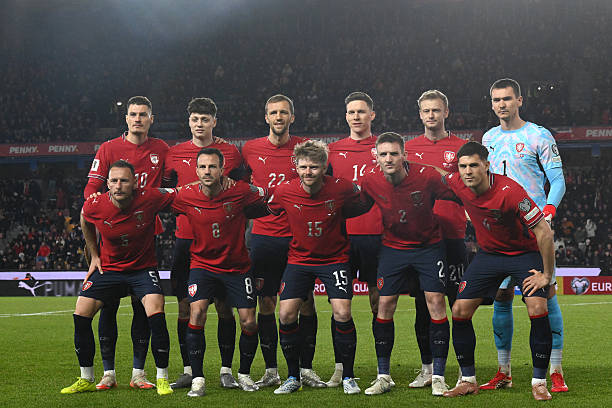
The ghosts of 2006 have long haunted Czech football. When the national team last graced a World Cup stage, they were spearheaded by the velvet touch of Pavel Nedved and the towering presence of Jan Koller. Yet, despite that abundance of superstar talent, the campaign ended in a disappointing group-stage exit. Two decades later, the current crop of Czech players arrives at the 2026 tournament with a vastly different identity, trading individual brilliance for collective industrialism.
Under the current coaching staff, the side has moved away from the possession-heavy aesthetics of the past. Instead, Czechia has evolved into one of Europe’s most physically demanding teams. Their tactical blueprint is built on high-intensity running and a relentless pressing game designed to suffocate opponents. It is a system that values the sum of its parts over the magic of a single playmaker, ensuring that no team will find them easy to break down.
Central to this modern approach is a lethal proficiency at set-pieces. In international tournament football, where margins are razor-thin, the Czechs have weaponized corners and dead-ball situations to an elite level. Data suggests they are among the most productive sides in qualifying when it comes to expected goals (xG) generated from stationary restarts, making them a constant threat even when struggling to find rhythm in open play.
This tactical shift is mirrors the profile of the current squad. Gone are the days of luxury players; the roster is now filled with versatile athletes who can operate in multiple systems. This adaptability allows the team to pivot between a mid-block and a high press depending on the opposition, a flexibility that was perhaps missing during the more rigid tactical eras of the early 2000s.
There is also a palpable sense of unity that defines this group. While the 'Golden Generation' carried the weight of massive expectations and individual egos, the 2026 squad thrives on a culture of togetherness. This psychological resilience is often cited by the camp as their secret weapon, allowing them to remain disciplined under pressure and grind out results against technically superior opponents.
As they prepare for their long-awaited return to the global stage, the objective is clear: to outperform the icons of twenty years ago. By embracing a blue-collar work ethic and clinical efficiency in specific phases of play, Czechia aims to prove that a cohesive unit can often go further than a collection of stars. The era of the superstar may be over in Prague, but the era of the team has just begun.