Daniel Kretinsky: West Ham won't sell key players
West Ham United's incoming majority shareholder, Daniel Kretinsky, has issued a defiant message regarding the club's transfer policy following their recent drop into the Championship.
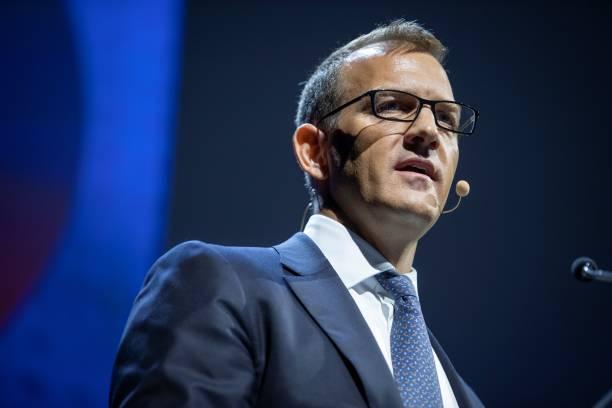
West Ham United are entering a period of significant structural shift as Daniel Kretinsky edges closer to assuming full control as the club’s majority shareholder. Despite the prevailing financial headwinds that typically follow a relegation to the Championship, the incoming owner has signalled a firm desire to maintain the integrity of the playing squad rather than sanctioning a fire sale.
Addressing the club’s immediate future, Kretinsky dismissed the notion that the Hammers would be forced into offloading their most valuable assets to balance the books. The billionaire made it clear that the club did not "need" to sell its players this summer, suggesting that his arrival will provide the necessary financial cushion to resist predatory bids from top-flight suitors.
The message of stability will be particularly welcomed by the fanbase at a time of sporting uncertainty. While many second-tier clubs are historically pressured to shed high earners or promising talents to offset the loss of broadcasting revenue, Kretinsky appears intent on using his capital to ensure the stay in the English Football League is as brief as possible.
Central to this strategy of continuity is the status of Mateus Fernandes. The midfielder has been a subject of considerable speculation since the conclusion of the season, yet the latest developments indicate he will be retained at the London Stadium. Keeping such personnel is a clear statement of intent that the new hierarchy views retention as the most efficient path back to the Premier League.
Kretinsky’s move to increase his stake comes at a pivotal juncture for the East London side. By positioning himself as a majority stakeholder, he is now the primary architect of the club’s recovery plan. His refusal to dismantle the team suggests a belief that the current roster possesses the quality required to secure promotion without undergoing a radical and potentially disruptive overhaul.
While the transfer window often brings unexpected turns, the current directive from the top is one of defiance. For West Ham, the coming months will likely be defined by resistance rather than negotiation, as the new ownership seeks to prove that their ambition remains undiminished by their recent change in status.