Is the Premier League new manager bounce still effective?
Following a chaotic 2025/26 season featuring 12 managerial casualties, we examine whether immediate impact justifies the hiring of tactical pivots like Michael Carrick and Liam Rosenior.
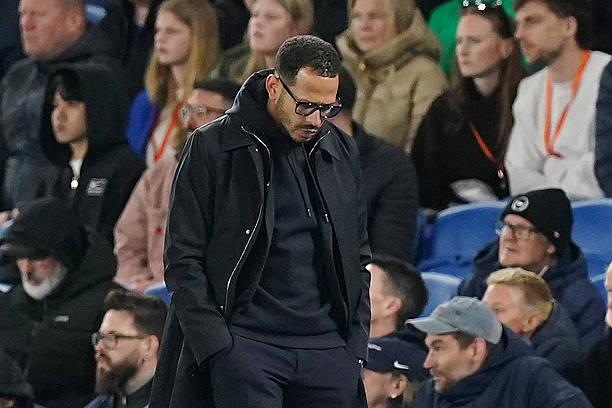
The 2025/26 Premier League campaign will be remembered as a year of unprecedented instability in the dugout. With 11 mid-season managerial changes involving 16 different coaches, the traditional 'new manager bounce' has been put under the microscope like never before. The high-profile departures culminated with Arne Slot exiting his post at the season's conclusion, marking the 12th major casualty of a relentless cycle of hiring and firing.
Clubs have increasingly turned to young, tactically sophisticated English coaches like Michael Carrick and Liam Rosenior to arrest slumps in form. The logic remains consistent: a fresh voice and a new tactical blueprint can spark an immediate upturn in results. However, the data from this frantic season suggests that the effectiveness of this 'bounce' is becoming more volatile as the league's tactical standards continue to rise.
For some, the impact was instantaneous. Carrick’s arrival at his respective post brought a calmness and structural discipline that yielded immediate points, proving that a change in leadership can indeed salvage a drifting season. These short-lived surges often provide the necessary oxygen for a club to avoid relegation or push for European places, justifying the massive financial settlements paid to outgoing staff.
Conversely, Liam Rosenior’s tenure highlighted the risks of seeking a quick fix. While his philosophy eventually took hold, the lack of an immediate results-based 'bounce' often leaves modern owners with itchy feet. In a league where the cost of failure is astronomical, coaches are no longer given months to integrate their ideas; they are expected to deliver a weekend-one response.
Traditionalists argue that the constant rotation of managers undermines long-term stability. The sheer volume of changes last season, with nearly two-thirds of the league switching personnel, indicates a shift toward short-termism. When 16 different coaches cycle through 11 roles, the identity of the clubs involved becomes blurred, often resulting in squads of players recruited for three or four different tactical systems.
As we look toward the next campaign, the question remains whether the 'bounce' is a genuine psychological phenomenon or simply a statistical regression to the mean. With Arne Slot’s departure signaling that even established names aren't safe from the end-of-season cull, the pressure on the current crop of managers to produce instant results has never been higher.
Ultimately, the 2025/26 season serves as a cautionary tale. While the right appointment can rejuvenate a dressing room, the frequency of these changes suggests that the 'bounce' is becoming shorter and less reliable. For owners, the challenge is no longer just finding a new manager, but finding one who can survive the inevitable dip that follows the initial honeymoon period.