Morocco: From underdogs to 2026 World Cup contenders
After their historic semi-final run in Qatar, Morocco heads toward the 2026 FIFA World Cup with a reinvented squad and the heavy burden of being genuine title threats.
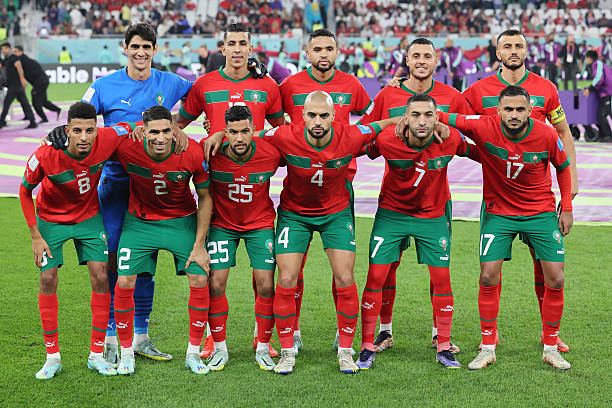
The landscape of international football shifted significantly in 2022 when Morocco became the first African nation to reach a World Cup semi-final. That run was defined by a gritty, low-block defensive masterclass that stifled some of Europe’s most creative attacks. However, as the focus turns toward the 2026 FIFA World Cup, Walid Regragui’s side is no longer interested in merely surviving; they are evolving into a proactive force that demands the ball.
This shift in tactical identity is driven by a profound influx of young talent. The Atlas Lions have successfully integrated a new generation of technical creators who are comfortable dictating the tempo of a match. Where they once relied on rapid counter-attacks, Morocco now showcases a sophisticated positional game, reflecting the increased depth and tactical maturation within the squad.
Transitioning from 'giant-killers' to 'giants' brings a unique set of psychological challenges. During their historic surge in Qatar, Morocco thrived on the lack of expectation, fueled by the energy of being the tournament's ultimate underdog. Now, as one of the top-ranked teams globally, they will face opponents who will sit deep and challenge them to break down a compact defense, a role reversal that tests a team’s patience and creativity.
Walid Regragui has been the architect of this cultural shift, emphasizing that Morocco must not be satisfied with being a one-hit wonder. By blending the veteran reliability of his defensive core with the flair of emerging stars, he is building a team designed for longevity. The objective is clear: to establish Morocco as a permanent fixture in the final stages of major international tournaments.
The global perception of African football is also at a tipping point. For years, the narrative focused on individual brilliance and physical prowess, but Morocco is rewriting that script through tactical discipline and collective intelligence. Their progress serves as a blueprint for the continent, proving that structural consistency and long-term planning can bridge the gap to the traditional powerhouses.
As the 2026 cycle enters its defining phase, the pressure on the Atlas Lions is immense. They are no longer a surprise package that teams might overlook. Instead, they are a hunted side with a target on their backs. Whether they can handle the weight of being genuine contenders will determine if their previous success was a fluke or the dawn of a new era in world football.